
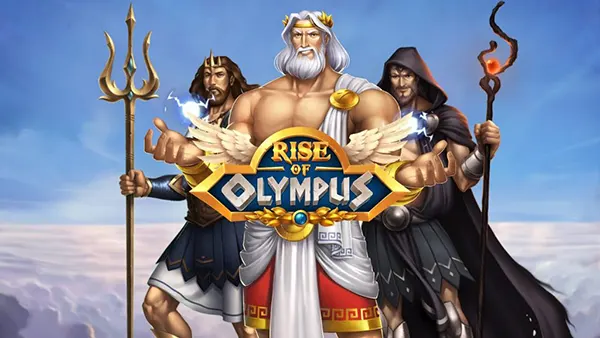
Rise of Olympus: How Play’n GO Replaces Traditional Reels with Mythological Characters
Play’n GO has spent several years refining its approach to slot mechanics, but Rise of Olympus remains one of the clearest examples of how the developer moved beyond traditional reel structures. Instead of relying only on classic symbols, paylines, and spinning columns, the game introduces a system where mythological characters directly influence gameplay. Released as part of the provider’s growing catalogue of grid-based and cascading titles, Rise of Olympus combines Greek mythology with mechanics that alter the pace and visual structure of each round. By 2026, this approach has become increasingly common across modern casino games, yet Play’n GO was among the studios that helped popularise the concept.
Why Play’n GO Moved Away from Standard Reel Design
Traditional slot games were historically built around fixed reels and paylines because the structure was simple for both developers and players. Earlier online titles copied land-based machines almost directly, including fruit symbols, static wilds, and predictable paylines. However, as mobile gaming expanded and audiences became more familiar with video game mechanics, developers started experimenting with more dynamic formats.
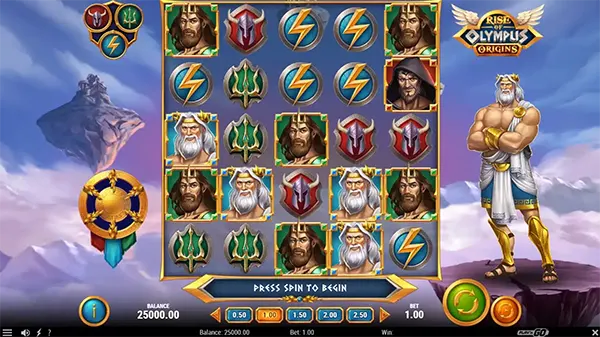
Rise of Olympus reflects this shift clearly. Instead of treating symbols as passive elements on the screen, Play’n GO integrated mythological gods into the actual mechanics of the game. Zeus, Hades, Poseidon and Hermes are not decorative additions. Each character changes the grid through individual abilities, creating an experience where gameplay depends heavily on character activation rather than only reel results.
By 2026, many developers use modifiers, expanding systems and animated features, but Rise of Olympus still stands out because the gods directly replace the role traditionally occupied by static bonus symbols. The gameplay loop feels closer to a character-driven puzzle mechanic than a conventional online slot. This distinction helped the game maintain relevance years after release, particularly among players looking for more interactive formats.
How Character Abilities Change the Structure of Each Spin
One of the defining mechanics in Rise of Olympus is the use of cascading wins combined with divine abilities. Every time a winning cluster disappears, the gods collect energy. Once enough energy is accumulated, one of the characters activates a specific feature. This creates a progression system that does not exist in older reel-based slots.
Zeus introduces wild symbols across the grid, increasing combination potential. Poseidon removes selected low-value symbols to improve the chances of stronger combinations appearing during cascades. Hades transforms symbols into premium icons, while Hermes adds multiplier functionality that can increase payouts substantially during longer chain reactions. These mechanics create gameplay variation without requiring a separate bonus round every few minutes.
The result is a structure where the anticipation comes not only from the initial spin but also from the potential interaction between cascading sequences and character abilities. This is one reason why many players compare Rise of Olympus more closely to modern cluster-based mechanics than to traditional five-reel video slots.
Greek Mythology as a Gameplay Tool Rather Than Decoration
Greek mythology has been used in casino entertainment for decades, but many earlier games treated mythological themes as visual dressing only. Rise of Olympus takes a different direction because the mythology directly shapes the mechanics. Each deity has a clearly defined gameplay identity that matches their traditional characteristics.
Zeus represents power and unpredictability, which is reflected through random wild placements. Poseidon controls the sea and movement, mirrored by his ability to clear sections of the grid. Hermes is associated with speed and momentum, which aligns naturally with multiplier features during rapid cascades. Hades focuses on transformation and hidden value, matching his symbol-conversion mechanic.
This connection between theme and functionality creates stronger coherence throughout the game. Instead of appearing as disconnected animations, the gods feel integrated into the overall structure. By 2026, thematic integration has become increasingly important because players often expect mechanics to support the visual identity of a game rather than exist separately from it.
How Visual Design Supports Gameplay Recognition
Another reason Rise of Olympus continues to receive attention is its visual clarity. Many modern online slots overload the screen with effects, which can make gameplay difficult to follow on mobile devices. Play’n GO approached the design differently by ensuring that each character ability is visually distinct and immediately recognisable.
When Zeus activates, the lightning effects and expanding wild symbols create an instant connection between the animation and the gameplay outcome. Hermes uses faster motion effects and multiplier indicators that reinforce the idea of momentum. This clarity matters because modern casino audiences increasingly play on smartphones and tablets where excessive visual clutter can reduce usability.
The design also helps maintain pacing. Character activations feel significant without slowing the game excessively. Some feature-heavy slots released after 2023 became criticised for long animation sequences that interrupted gameplay flow. Rise of Olympus avoids this issue by balancing cinematic effects with relatively fast transitions between cascades and feature triggers.
The Influence of Rise of Olympus on Modern Casino Game Development
By 2026, character-driven mechanics are common across the online casino industry, but Rise of Olympus remains one of the more recognisable examples of the format. Its success demonstrated that players were interested in mechanics where symbols alone were no longer the primary focus of gameplay. Developers increasingly started creating systems where characters, progression meters and interactive modifiers shaped each session.
The game also contributed to the broader popularity of cascading structures combined with persistent feature systems. Instead of relying entirely on separate free-spin rounds, many modern titles now use continuous feature progression throughout the base game. This creates more engagement during standard spins and reduces the feeling of repetitive gameplay.
Another important factor is accessibility. Although Rise of Olympus contains several layered mechanics, the core structure remains relatively easy to understand. Players quickly learn what each god does, and the feature progression system becomes intuitive after only a few sessions. This balance between complexity and clarity is one reason why the game continues appearing in active casino libraries years after its original release.
Why Character-Based Mechanics Continue to Grow in Popularity
Modern casino audiences often expect more than static reels and paylines. Streaming culture, mobile gaming habits and wider exposure to video game progression systems have changed player expectations significantly. Developers increasingly design games that feel reactive and evolving rather than repetitive.
Character-driven mechanics also create stronger long-term recognition for a game. Many older slot titles were remembered mainly for RTP percentages or jackpots, while newer releases are often associated with specific gameplay systems or characters. Rise of Olympus achieved this by turning Greek gods into functional gameplay elements rather than background art.
As of 2026, the influence of games like Rise of Olympus can be seen across multiple studios that now prioritise evolving features, persistent modifiers and thematic interaction. While traditional reel formats still exist, the market increasingly favours titles that create a stronger sense of progression and interaction during every session rather than depending solely on spinning reels and paylines.