
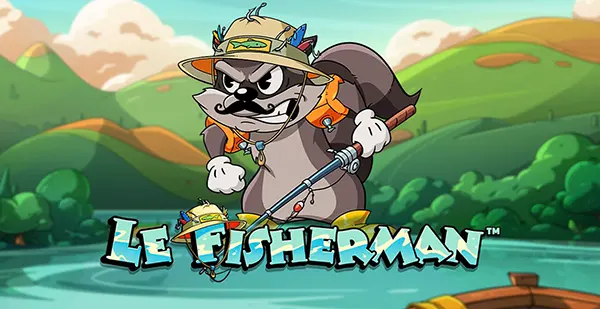
Le Fisherman: how Hacksaw Gaming reimagines the fishing theme in a modern slot
Fishing-themed slots have existed for years, usually built around calm visuals, simple mechanics, and predictable bonus rounds. Hacksaw Gaming approached this concept differently with Le Fisherman, aiming to move away from traditional interpretations and introduce a more dynamic, feature-driven experience. The result is a slot that blends familiar motifs with contemporary design choices, combining volatility, fast-paced gameplay, and distinctive visual direction.
A shift from traditional fishing slots to high-volatility design
Most fishing slots historically relied on low to medium volatility, steady payouts, and accessible mechanics. Le Fisherman takes a noticeably different route by embracing high volatility, where wins are less frequent but potentially more significant. This change aligns with current player preferences, where risk-reward balance plays a central role in engagement.
Hacksaw Gaming integrates this volatility through layered mechanics rather than relying on a single bonus feature. Instead of offering predictable fishing-style pick bonuses, the game introduces dynamic multipliers and expanding win potential, ensuring that each spin carries a sense of unpredictability. This structural change makes the gameplay feel less repetitive compared to older titles in the same theme.
Another important aspect is the pacing. The slot is designed for faster decision cycles, allowing players to engage with features more frequently. This approach reflects broader industry trends in 2026, where shorter sessions and quicker gameplay loops are becoming increasingly common.
How mechanics replace classic bonus expectations
Traditional fishing slots often centre around a single bonus round where players collect values attached to symbols. In Le Fisherman, Hacksaw Gaming shifts the focus towards continuous gameplay enhancements rather than isolating the excitement in one feature. This creates a more consistent level of engagement throughout the session.
The use of modifiers, such as multipliers that evolve during play, ensures that even base game spins remain relevant. Instead of waiting for a bonus trigger, players experience incremental changes that can significantly impact outcomes. This reduces downtime and maintains interest over longer sessions.
From a design perspective, this approach reflects a broader evolution in slot development, where mechanics are distributed across the entire experience rather than concentrated in a single event. It also encourages a more strategic understanding of the game rather than relying purely on luck.
Visual identity and thematic reinterpretation
Le Fisherman avoids the typical calm and scenic portrayal of fishing. Instead, it introduces a darker, more stylised visual tone that aligns with Hacksaw Gaming’s broader portfolio. Characters, symbols, and backgrounds are designed with a distinctive artistic approach that feels more contemporary than traditional seaside imagery.
The central fisherman character is not presented as a passive figure but rather as an active part of the gameplay narrative. This subtle shift changes how players perceive the theme, turning it into something more character-driven rather than purely environmental.
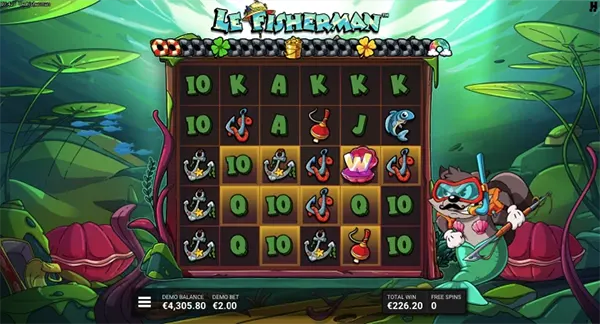
Animations also play a key role in reinforcing this identity. Wins, feature triggers, and symbol interactions are accompanied by sharp, responsive effects that contribute to a more immersive experience without overwhelming the player.
Balancing style and usability in slot design
While the visual style is bold, Hacksaw Gaming maintains clarity in symbol recognition and interface layout. This balance is essential, as overly complex visuals can reduce usability, especially during fast-paced sessions. In Le Fisherman, symbols remain distinct, and important information is always easy to identify.
The user interface follows a minimalist approach, ensuring that players can focus on gameplay rather than navigating complicated menus. This design philosophy is consistent with modern slot development standards, where accessibility is prioritised alongside visual appeal.
Sound design further complements the experience. Instead of traditional ambient fishing sounds, the game uses sharper audio cues that align with its energetic tone. This reinforces the shift away from conventional expectations associated with the theme.
Relevance in the 2026 slot landscape
By 2026, player expectations have shifted towards more interactive and feature-rich slots. Le Fisherman reflects this trend by offering a combination of volatility, layered mechanics, and a distinctive aesthetic. It positions itself within a segment of games that prioritise engagement over simplicity.
Another relevant factor is session flexibility. The game supports both short and extended play sessions, making it adaptable to different player habits. This is particularly important as more users engage with slots through mobile devices, where session length can vary significantly.
From a broader industry perspective, Le Fisherman demonstrates how established themes can be reinterpreted without losing their core identity. Instead of abandoning the fishing concept, Hacksaw Gaming reworks it to align with modern expectations and technical capabilities.
What this approach means for future slot development
The success of reinterpretations like Le Fisherman suggests that classic themes still have value when combined with innovative mechanics. Developers are increasingly focusing on how to evolve familiar ideas rather than replacing them entirely.
This direction also highlights the importance of player engagement metrics. Features that maintain interest throughout gameplay are becoming more important than single high-impact bonus rounds. As a result, future slots are likely to continue this trend of distributed mechanics and continuous interaction.
Ultimately, Le Fisherman serves as an example of how thematic consistency and mechanical innovation can coexist. It reflects a broader movement within the industry towards more complex, engaging, and visually distinct slot experiences.